
Operations

Full-cycle operations, from well placement to crude sales

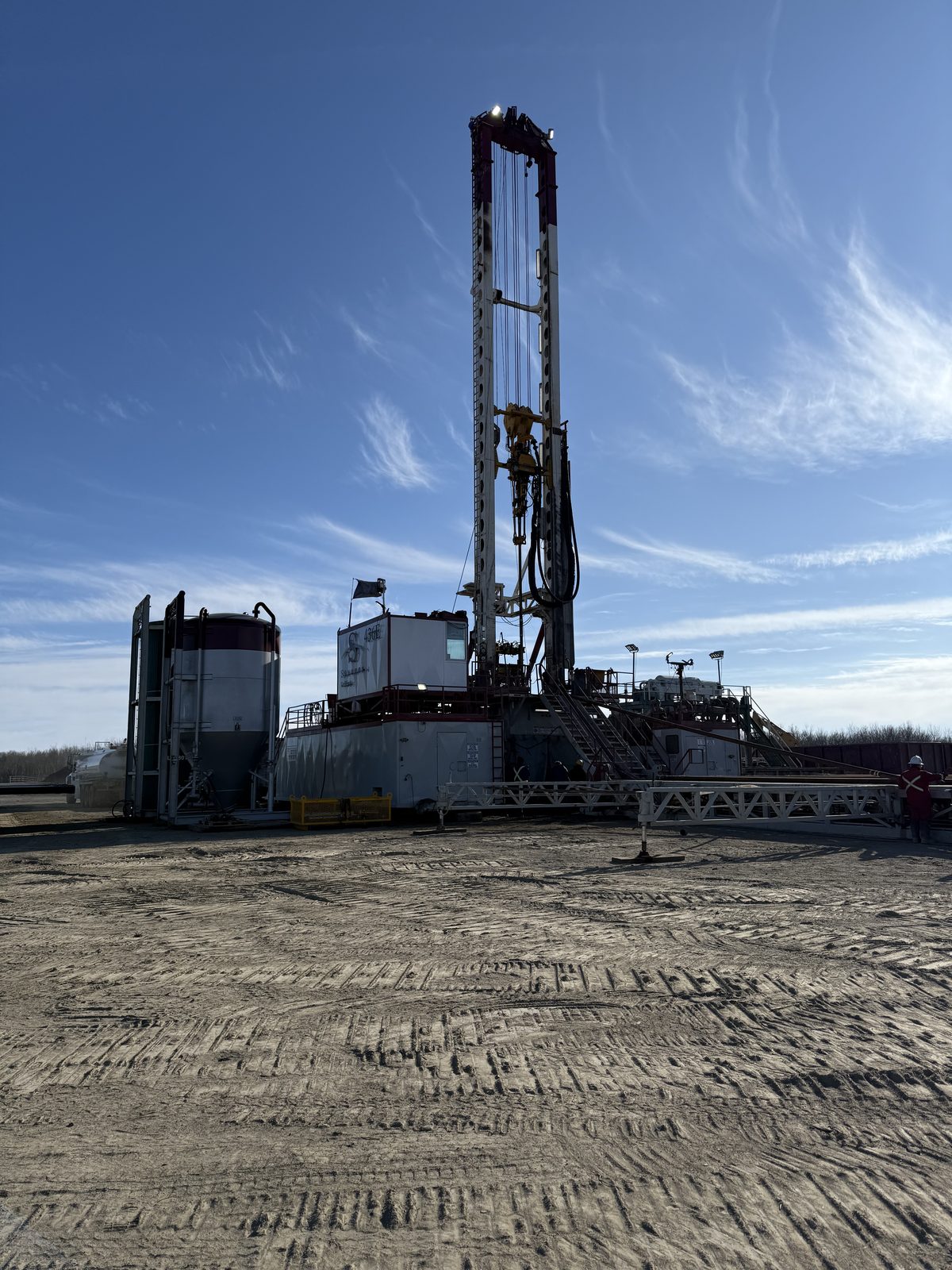
Several well pads are on production. We integrate geology, drilling and completions engineering and production management to keep improving well performance.

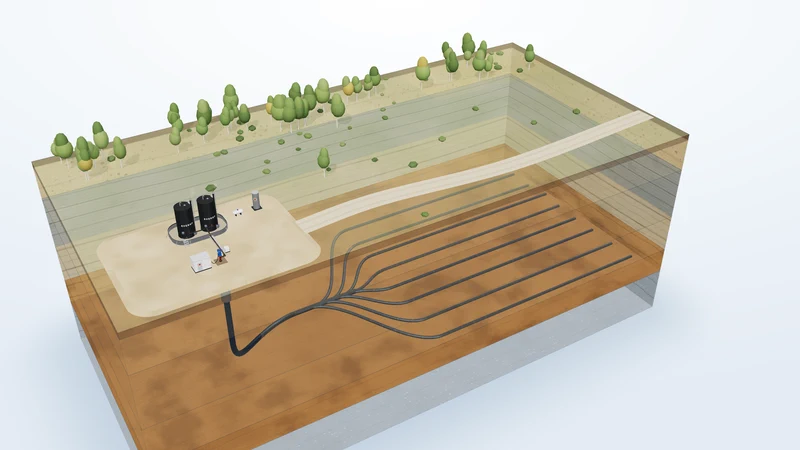
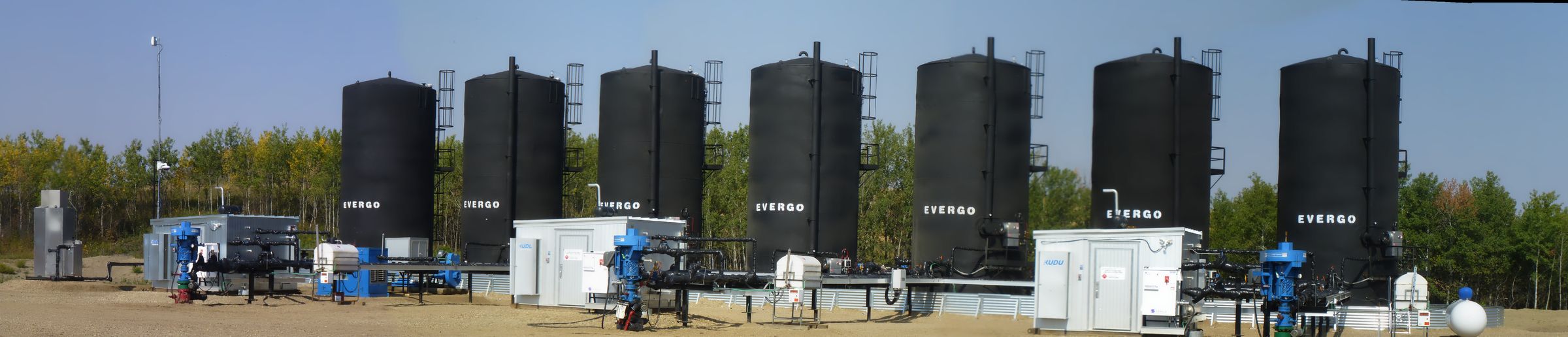
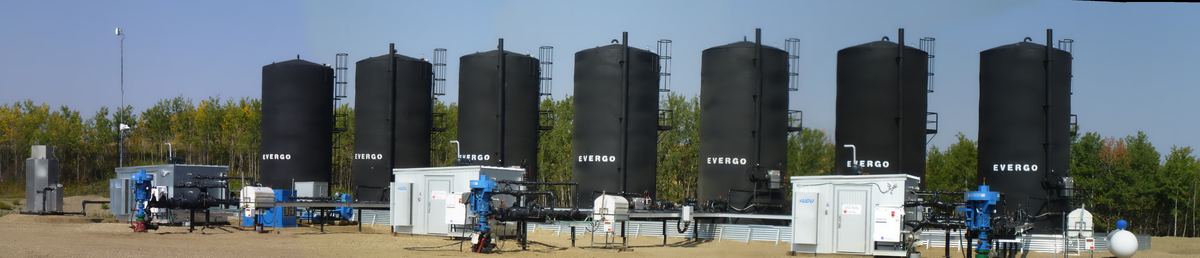
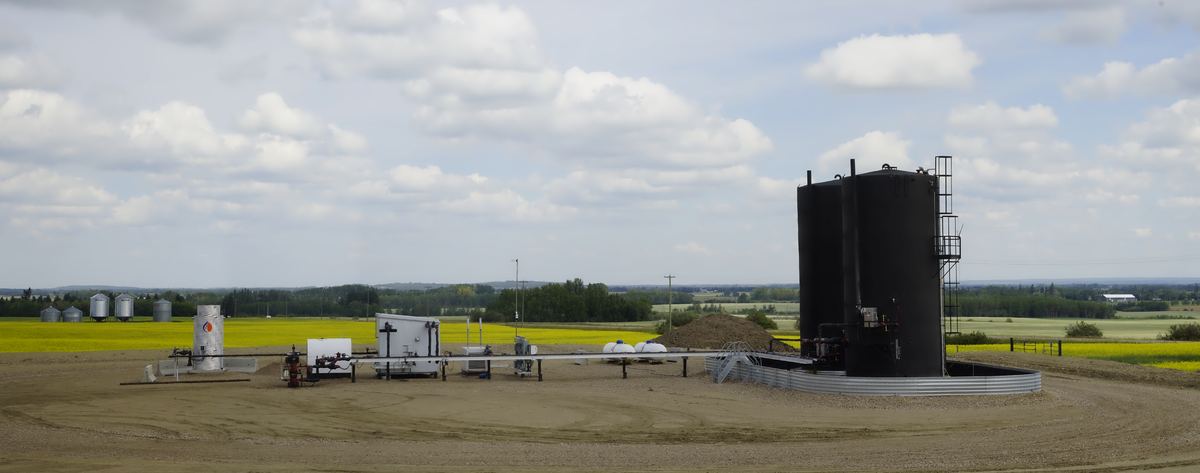
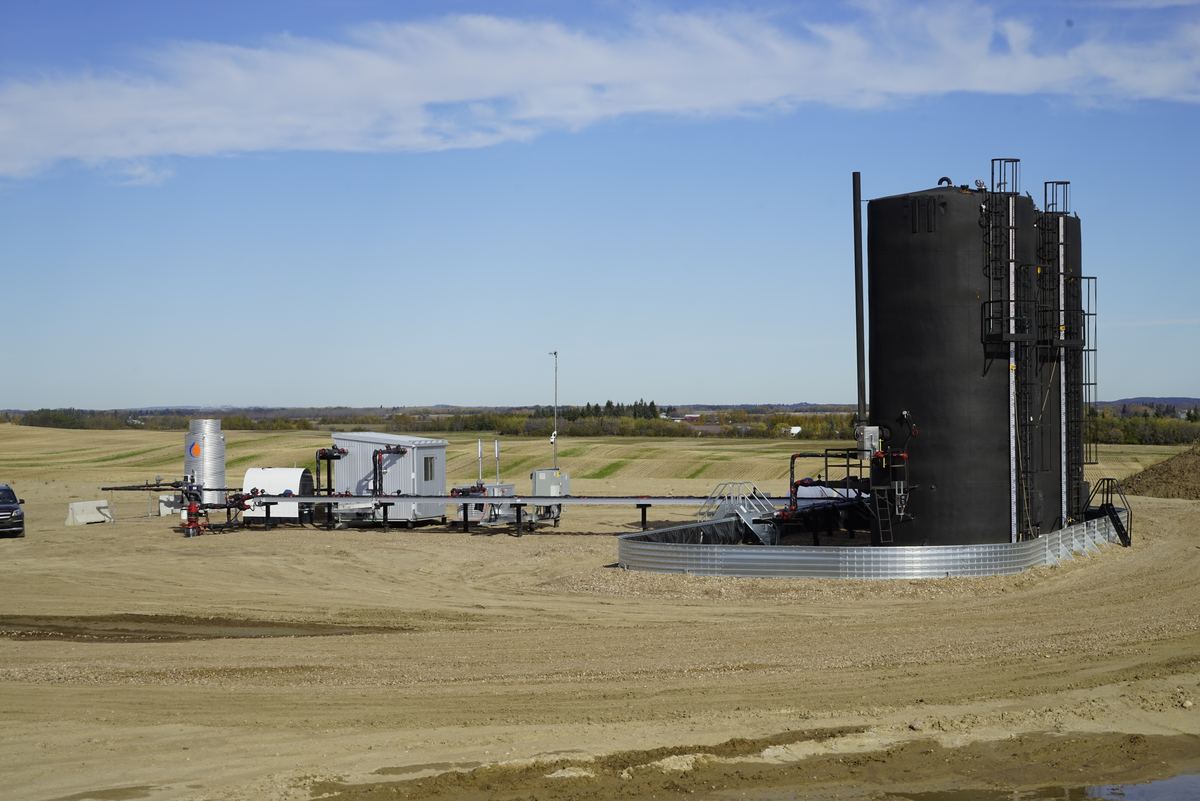
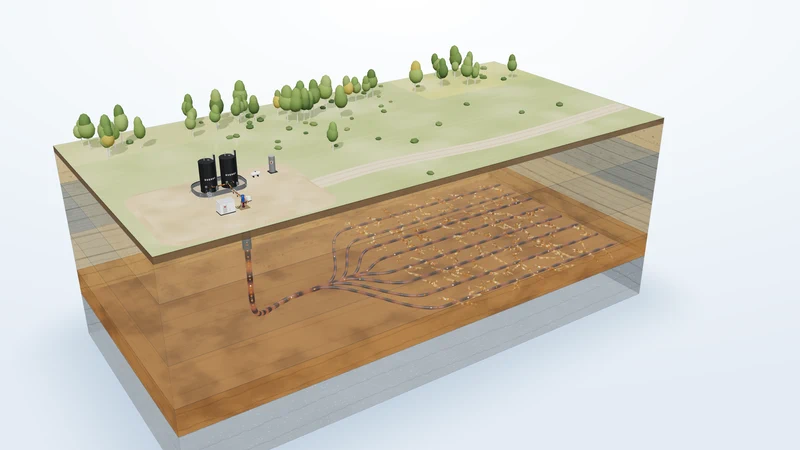
Multi-well pad sharing tanks and surface facilities
Producing assets

Pad development at scale

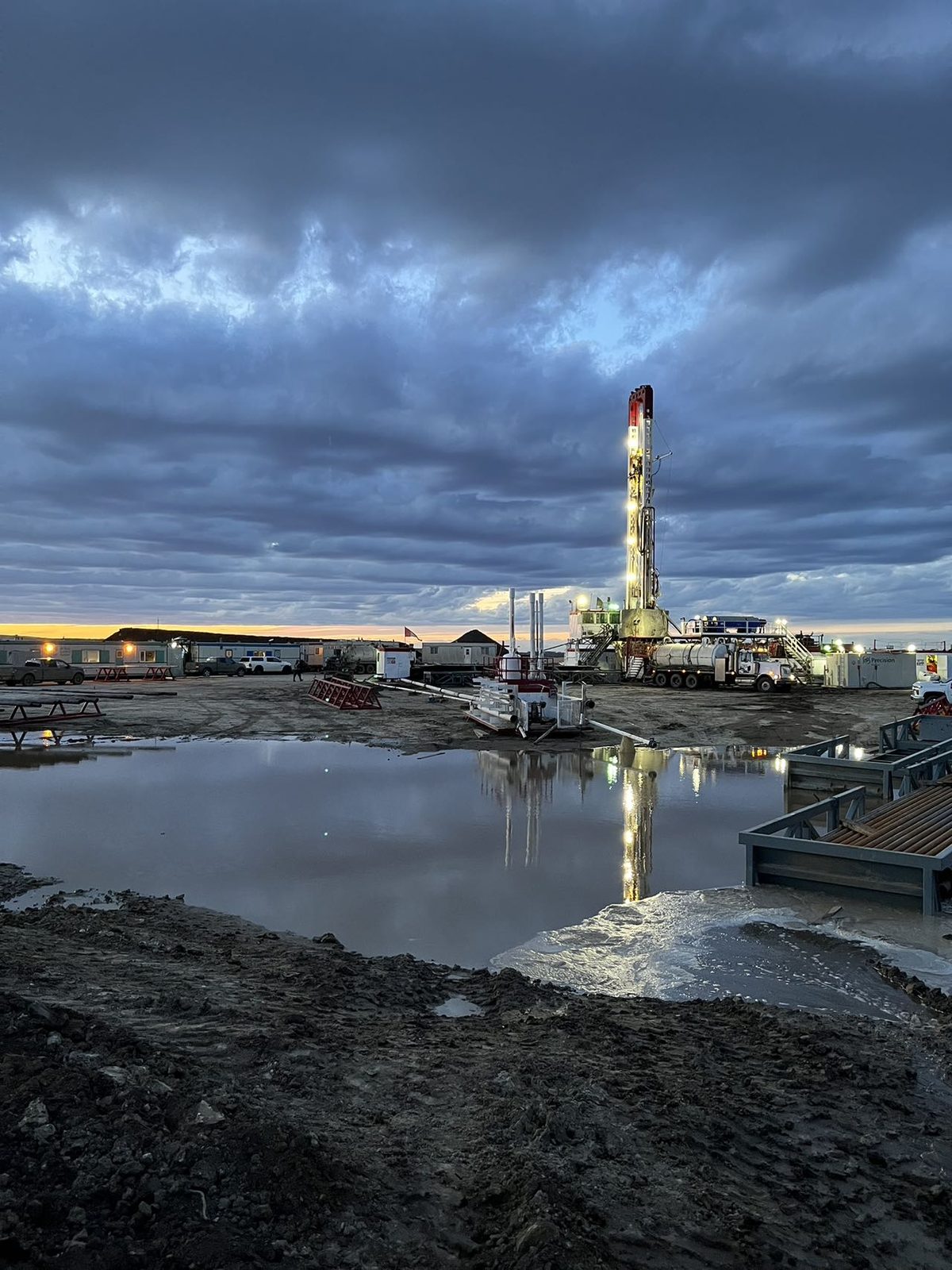
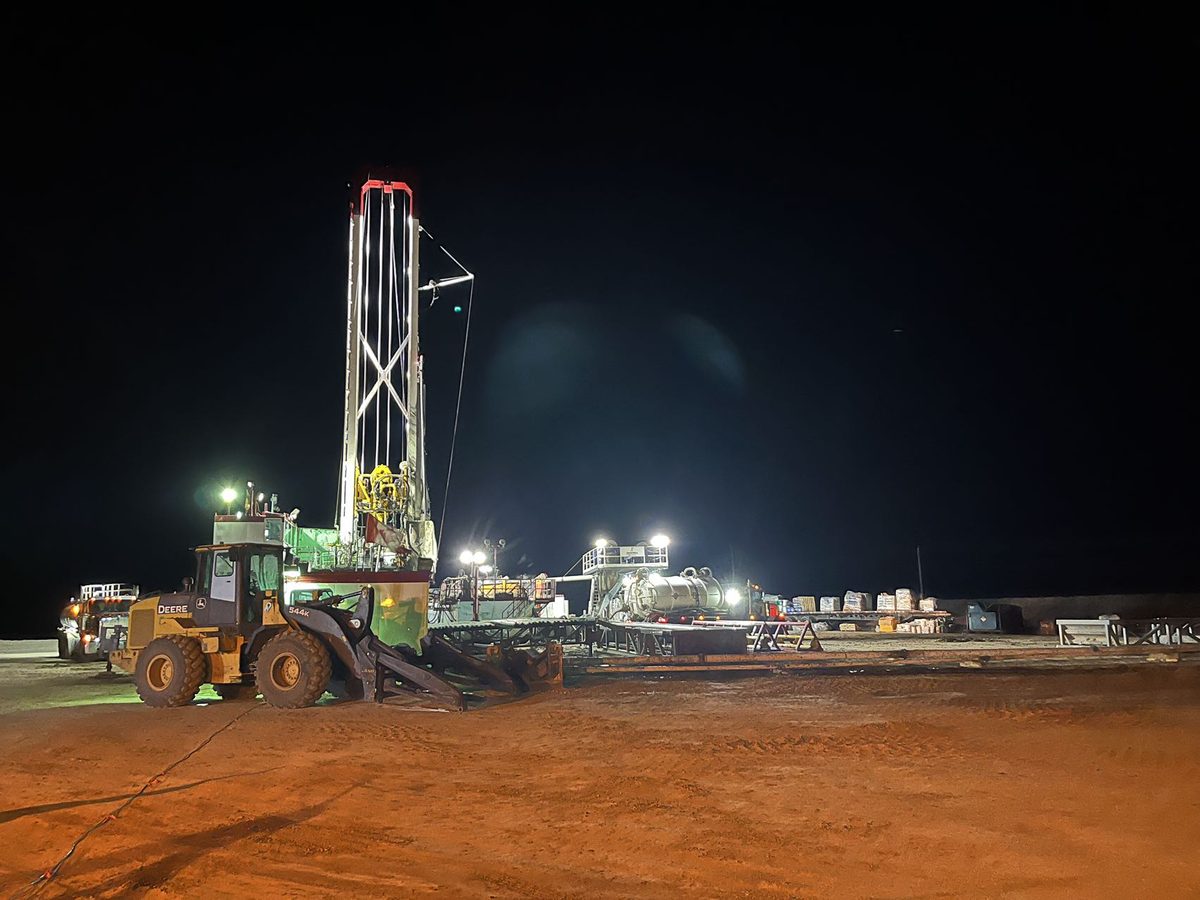
We have built several producing well pads in Alberta and Saskatchewan, developing at scale with multilateral horizontal wells.

See project updates
01

Pad-based development

Several multilateral wells share one pad and one set of surface facilities, lowering unit development cost.

02

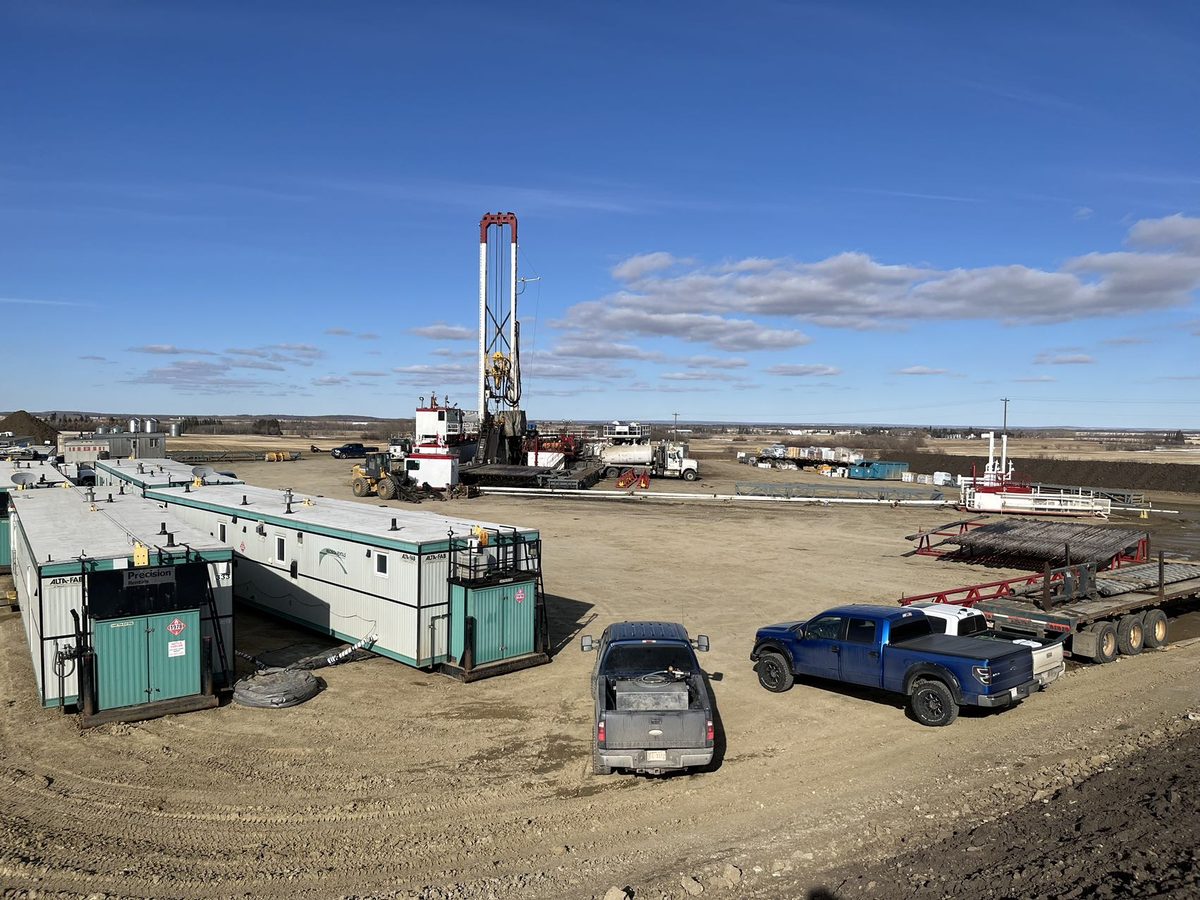
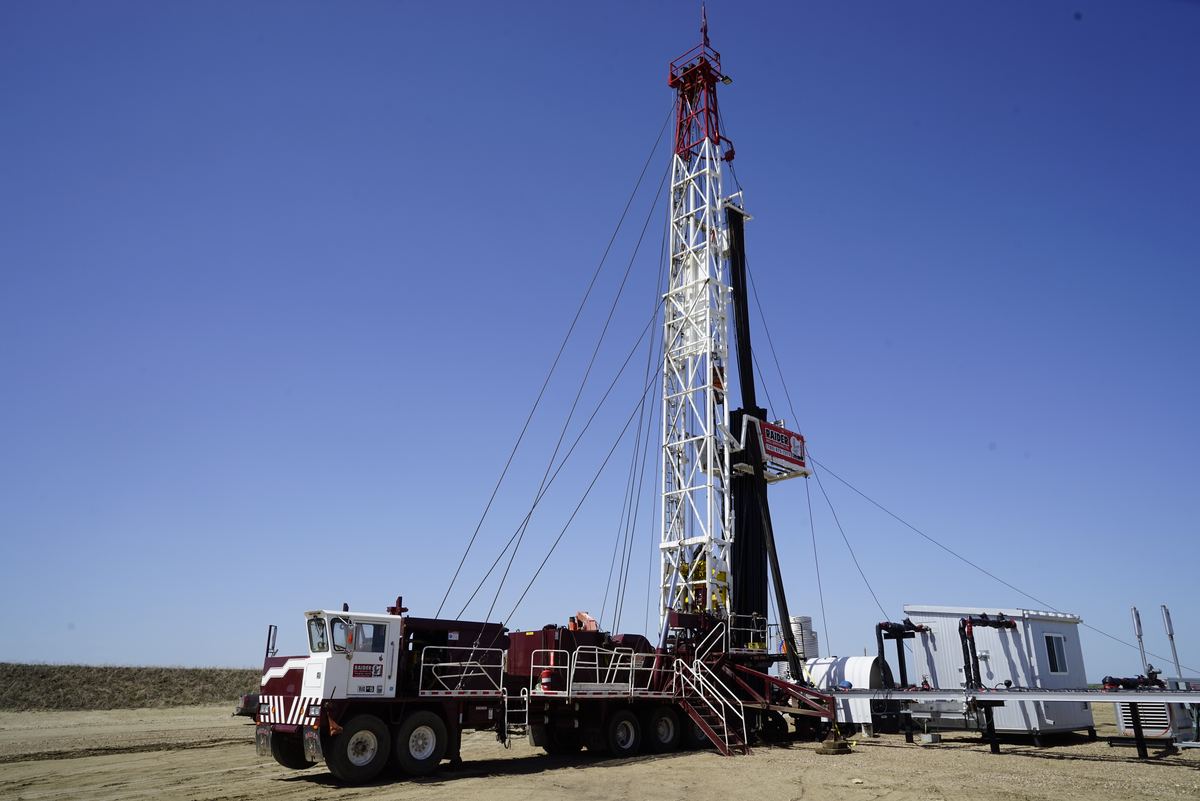
Drilling at scale

More than 35 km of horizontal hole and over 50 legs drilled to date.

03

Growing production

Producing pads are running steadily, with ongoing optimization to lift output.

04

Steady expansion

Our medium oil fracturing project is advancing, and more planned blocks are being prepared for development.

Well operations

How we operate our wells

From well placement to water disposal, we run every stage of a well’s life ourselves.

Well placement Illustration
01Well placementGeological evaluation
Drilling
02DrillingMultilateral wells
Completion Illustration
03CompletionFit to the reservoir
Start-up
04Start-upPad development
Production management Illustration
05Production managementRemote monitoring
Disposal & environment Illustration
06Disposal & environmentCompliant operations
  1. Geological and production data guide us to the best well locations.

  2. Several horizontal legs from one wellbore, with geosteering to keep the wellbore in the pay zone.

  3. The completion method is matched to the reservoir.

  4. Several wells share one pad’s surface facilities, so pads come on production quickly.

  5. Real-time and remote monitoring keep production steady.

  6. Produced water is disposed of under licence, and associated gas is used on site.

Technology basics

Four core technologies explained

CHOPS, wormholes, multilateral horizontal wells and hydraulic fracturing are the foundation of our two development routes. Here is a short explanation of what each one is and how it works.

CHOPSIllustration
01

CHOPS

Cold Heavy Oil Production with Sand
What it is

A heavy oil recovery method that produces formation sand together with the oil, without heating the reservoir. It is the most widely used cold production technology in Canada’s heavy oil belt.

How it works
  1. The reservoir is shallow, unconsolidated sandstone, where the heavy oil can still flow
  2. A progressive cavity pump creates a large drawdown at the wellbore, so sand enters the well with the oil and is lifted to surface
  3. Solution gas comes out of the oil as pressure drops, forming “foamy oil” that helps drive the oil to the well
  4. Oil, water and sand separate by gravity in heated tanks on site, and the oil is trucked to sale

Well rates can reach 5 to 20 times those of cold wells without sand production.
WormholesIllustration
02

Wormholes

High-permeability channels
What it is

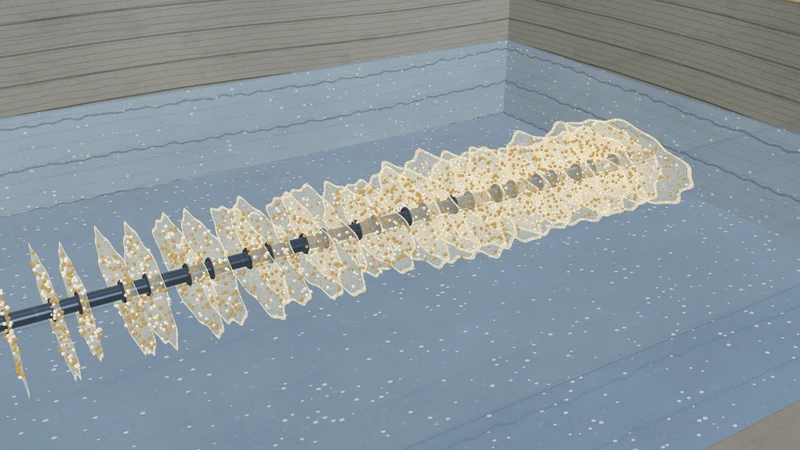
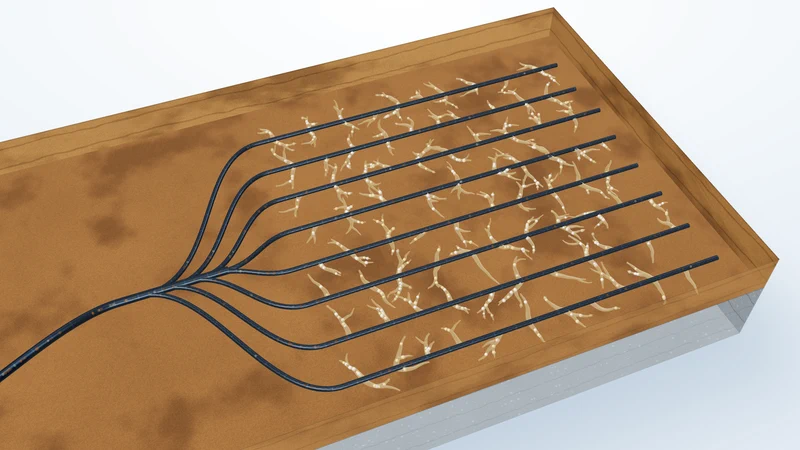
A network of high-permeability channels left in the reservoir by continuous sand production. They extend and branch outward from the wellbore, much like burrows.

How it works
  1. Produced sand leaves channels behind, which keep growing and branching during production
  2. The channels are far more permeable than the original reservoir, multiplying the area through which oil can flow
  3. Sand production is highest early in the well’s life, then declines and stays at a low level

Wormholes are the key mechanism behind the uplift from CHOPS.

Multilateral horizontal wellIllustration
03

Multilateral horizontal well

Several legs from one wellbore
What it is

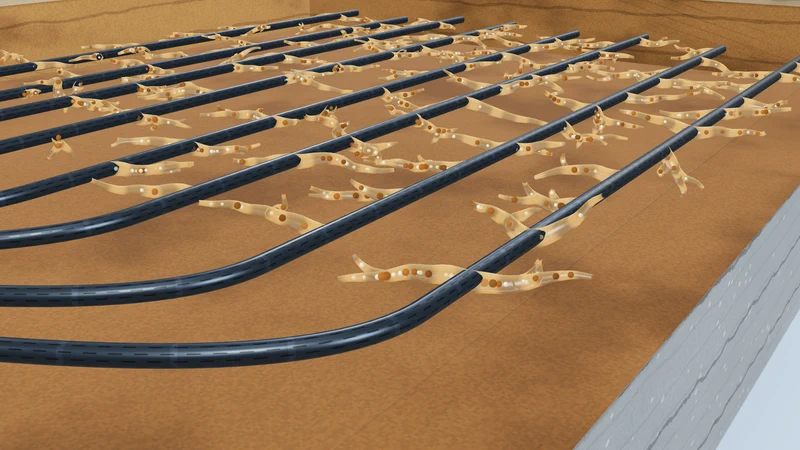
A well with several horizontal legs drilled through the reservoir from a single wellhead and vertical section, typically in fan, parallel or fishbone patterns.

How it works
  1. The wellbore builds angle from vertical to horizontal, enters the pay zone and follows it
  2. Additional legs are sidetracked from the main bore, fanning out or running in parallel
  3. One well can cover a large area of reservoir, sharing a single wellhead and surface facility

Regional statistics: horizontal wells produce about 6 times a slant well, and multilateral wells about 1.8 times a single-lateral well.

Hydraulic fracturingIllustration
04

Hydraulic fracturing

Multi-stage fracturing
What it is

Fracturing fluid pumped at high pressure opens fractures in tight rock, and proppant holds them open, creating high-conductivity paths for oil to reach the wellbore.

How it works
  1. Suited to tight, lower-permeability reservoirs
  2. The long lateral is divided into dozens of stages, fractured one by one from toe to heel
  3. Each stage creates fractures perpendicular to the wellbore, propped open by sand
  4. Oil flows through the fracture network into the lateral and is lifted to surface

Multi-stage fractured horizontal wells are the mainstream approach for low-permeability reservoirs in North America.

Technical capability

Two technical routes, one core: multilateral horizontal wells

Different reservoirs call for different stimulation methods, but the core is the same — horizontal and multilateral wells that maximize contact with the pay zone.

Schematic animation — scale adjusted
01

Multilateral horizontal wells

Several horizontal legs from one wellbore greatly increase contact with the pay zone, so a single well drains a large area.

02

CHOPS

A mature, large-scale technology in Canada’s heavy oil belt. Controlled sand production creates high-permeability “wormholes”, and solution-gas drive moves foamy oil to the wellbore — up to 5 to 20 times the rate of a cold well without sand production.

03

Long laterals & multi-stage fracturing

Long laterals in low-permeability reservoirs, fractured stage by stage to build a fracture network and enlarge each well’s drainage area.

04

Real-time geosteering

Measurement-while-drilling and real-time geosteering keep the wellbore inside thin pay, with pay-zone contact of up to 97%.

Drainage area compared

Switch between well types to compare their reach within the same pay zone.

Vertical wellDrains only a small area around the wellbore.

Single horizontalOne long lateral greatly increases contact; regional data show about 6× the rate of a vertical well.

MultilateralMultiple legs from one wellbore cover the whole pay area; regional data show about 1.8× the rate of a single horizontal.

Vertical well 1×
Single horizontal ≈6×
Multilateral ≈10.8×

Multiples are from statistical comparisons of public production data in the Alberta and Saskatchewan heavy oil areas (horizontal vs. slant wells; multilateral vs. single-lateral wells) and are indicative only.

Facilities

Simple, efficient CHOPS well sites

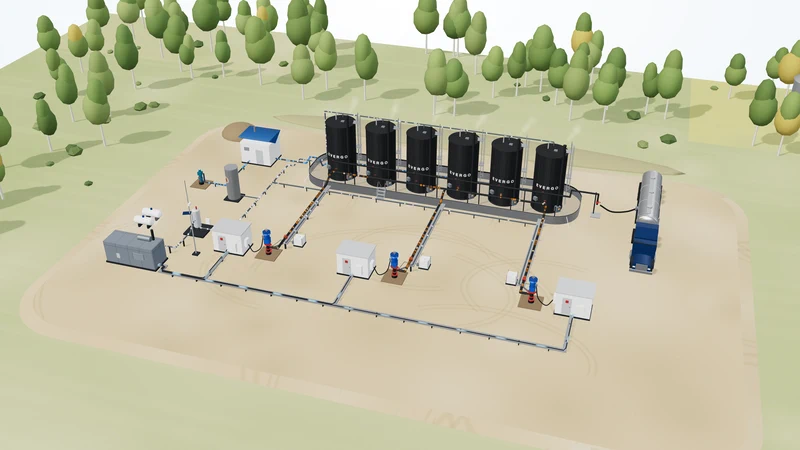
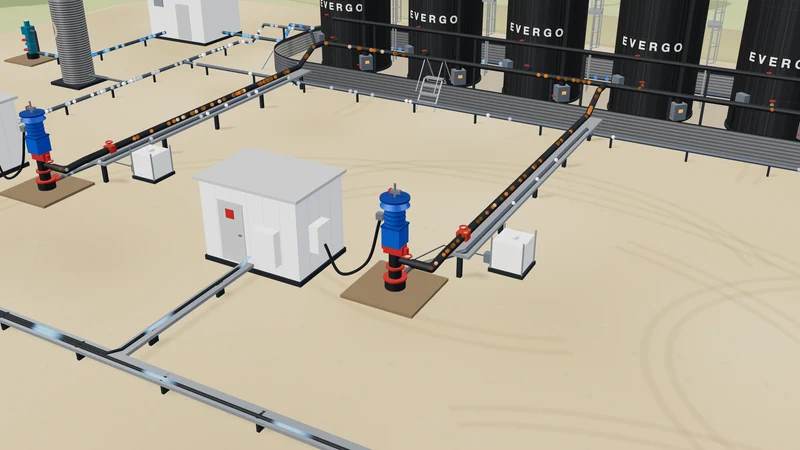
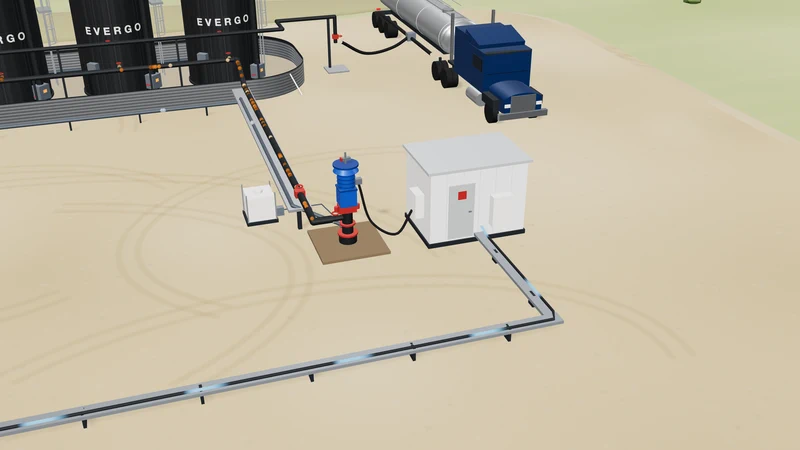
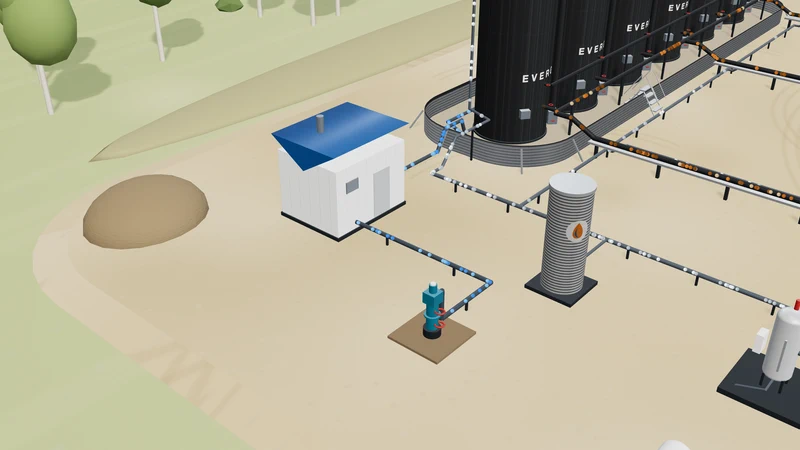
One pad shares tanks, power and disposal among several multilateral wells, so surface investment is shared — no processing plant or gathering network required. Click an item on the right to explore each facility.

  1. One wellhead per multilateral well; a surface motor drives a progressive cavity pump that lifts sand-laden foamy oil.

  2. Drive and control system in the wellhead building adjusts pump speed and monitors operation, with remote monitoring.

  3. Oil, water and sand separate by gravity in the tanks — one set shared by several wells.

  4. Associated solution gas is conditioned and fuels the on-site generator, reducing venting.

  5. Separated produced water is disposed of through a licensed disposal well on the pad — no hauling required.

  6. Separated crude is trucked regularly to a receiving terminal — no gathering pipeline needed.

  7. A containment berm around the tanks protects soil and groundwater from spills.

Cost control

Disciplined cost control

Strict well-by-well budgeting, with pad development and shared surface facilities lowering unit cost further.

Based on internal budget and final cost data.

  • ~12%Total cost saving on our demonstration well

    Actual total cost about 12% below budget

  • ~22%Surface facility saving

    Surface facilities about 22% below budget

  • ~13%Shorter drilling time

    Drilling finished about 13% ahead of plan

Seeking long-term strategic partners

We welcome investors, industry partners and neighbouring operators to develop Western Canadian oil and gas with us through project participation, joint ventures or joint development.